
Whether you are a complete beginner looking to make your very first sawdust, a weekend hobbyist crafting a handmade gift, or an experienced builder trying to clear out a mountain of scrap wood, finding the right project is half the battle.
And in that sense, small wood projects are a very attractive domain.
When it comes to woodworking most people think, ornate tables, ladder style bookshelves, large wood decor and everything crafty that social media algorithms are feeding you these days. But little nuance and you will understand “big doesn’t mean effective“. Ayooo ;).
Don’t you dare make assumptions about me.
The point is small wood projects (Oh my God) are the perfect avenues to get you excited about woodworking (Holy Molly, I assure you, I am not even trying to be funny, it’s just coming out).
Lets say, you want to create something that sells, or maybe impresses someone as a gift. You think of two options. A computer table and then you think of a, say, a tablet dock.
You see the difference?
A computer table, while useful, takes time, effort, planning and if you choose to sell it, you have to go through a whole lot of effort.
Making it, finding buyers, and if people like it, scaling it is a whole other mess.
Everyone and their grandmother wants a tablet dock. Everyone wants a tablet stand so they can watch Netflix at weird angles while they fall asleep to Frodo destroying the ring at Mordor.
Small wood projects look beautiful, serve a purpose, and don’t require a master class in joinery to pull off.
Little wood projects are the perfect gateway to making your hobby pay for itself should you choose to.
If you have ever thought about turning your woodworking skills into a side hustle, or just want to sell a few items to fund your next tool purchase, you have to be strategic. The hard truth is that building what is complex isn’t always what is profitable.
Take that computer table, for example. It is a fantastic skill-builder, but it requires days of measuring, cutting large sheets of expensive hardwood, and wrestling with heavy assembly.
By the time you price it high enough to actually cover your materials and your hours of labor, you are forced to compete with cheap, flat-pack furniture from big-box stores. Plus, good luck figuring out how to ship it!
The real sweet spot for any woodworker lies in “smalls.”
Smalls are highly aesthetic, functional items that use minimal materials. Many of them can be built using a single cedar fence picket, a piece of construction pine, or offcuts straight from your scrap bin.
Because they are simple, you can easily “batch-produce” them—cutting the parts for ten phone docks or wall hooks in the exact same time it takes to measure out one.
Whether you are building these to organize your own entryway, wrap up for a friend’s birthday, or line the tables of your local craft fair for a massive profit, these projects are proven winners. Here are 15 easy DIY small wood projects that look high-end, cost pennies to make, and actually sell.
15 High-Profit Small Wood Projects to Batch and Sell
Let’s dive straight into the builds. For each project below, I’ve highlighted exactly why buyers love it, the “production secret” to building it efficiently, and the core materials you need to pull it off.
1. Minimalist Wood and Leather Wall Hooks
There is a massive, hungry market for “Scandi-modern” home decor, and these wood and leather wall hooks fit the bill perfectly. Buyers are tired of cheap plastic or generic metal hooks ruining their entryway aesthetic.
These minimalist mounts look like they were pulled straight out of a high-end boutique catalog, bringing instant warmth and utility to mudrooms, bathrooms, or closets.
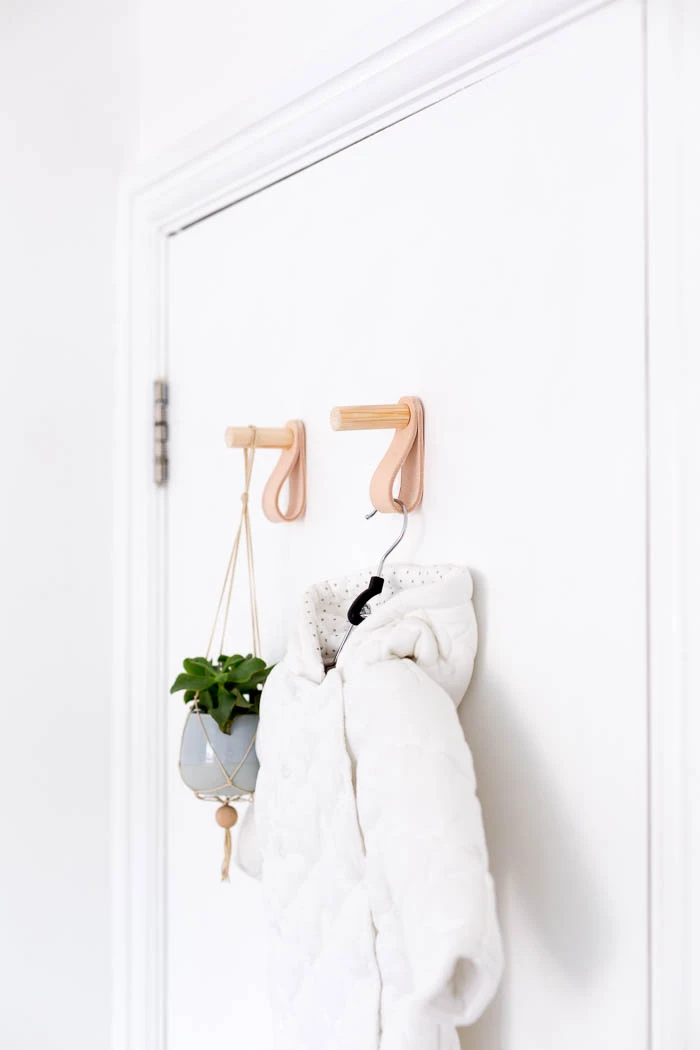
The real magic here is the profit margin and the production speed. You don’t need expensive slabs of lumber; you just need a thick hardwood dowel (like oak or ash) and a spool of leather strapping.
By setting up a simple stop-block on your miter saw, you can slice a single long dowel into thirty identical hooks in about three minutes.
Drill a hole, drive in a dowel screw, and attach a small loop of leather. Pair them up and sell them in sets of three or five.
Because they are small, lightweight, and incredibly cheap to ship, they are absolute goldmines for online sellers.
Build Kit
- The Wood: 1-inch or 1.25-inch hardwood dowels (Oak, Ash, or Maple)
- The Accent: 1-inch wide leather strips or heavy-duty canvas ribbon
- Hardware: Double-ended dowel screws and standard drywall anchors
- Tools: Miter saw (or hand saw), a cordless drill, and a sanding sponge
- Finishing: Mineral oil or a clear matte wax to pop the wood grain
2. Irregular “Organic Shape” Charcuterie Boards
Standard rectangular cutting boards are a tough sell because you are forced to compete with cheap, mass-produced versions from big-box stores.
However, irregular, “organic shape” charcuterie boards are currently dominating the home decor and wedding gift markets.

Buyers absolutely love the natural, flowing lines that make each piece feel like bespoke, functional kitchen art rather than just another standard chopping block.
The true beauty of this project is that it requires absolutely no complex joinery, clamping, or overnight glue-ups.
You can take a single piece of high-quality hardwood—or even a discounted live-edge offcut from your local lumberyard—sketch a freehand wavy shape, and cut it out with a simple jigsaw.
After a quick session with an orbital sander and a heavy coat of food-safe mineral oil, you have a premium, high-margin product that takes a fraction of the time to build.
Build Kit
- The Wood: 1-inch thick hardwood board or slab (Walnut, Maple, or Olive wood sell best)
- Tools: A jigsaw (or bandsaw) and a random orbital sander
- Sandpaper: 120, 180, and 220 grit sanding discs
- Finishing: Food-safe mineral oil or butcher block conditioner
- Detailing: A leather cord for a decorative hanging loop (optional)
3. Spa-Style Bathtub Caddies
Bathtub caddies scream “luxury self-care” and are incredibly popular as Mother’s Day, Valentine’s Day, or bridal shower gifts. Buyers love the idea of turning their standard bathroom into a high-end spa oasis, and a beautifully crafted wood tray resting across the tub instantly achieves that look.
Instead of paying upwards of $80 to $100 at a high-end bath and body store, they will happily pay you $40 to $50 for a custom, handmade version.
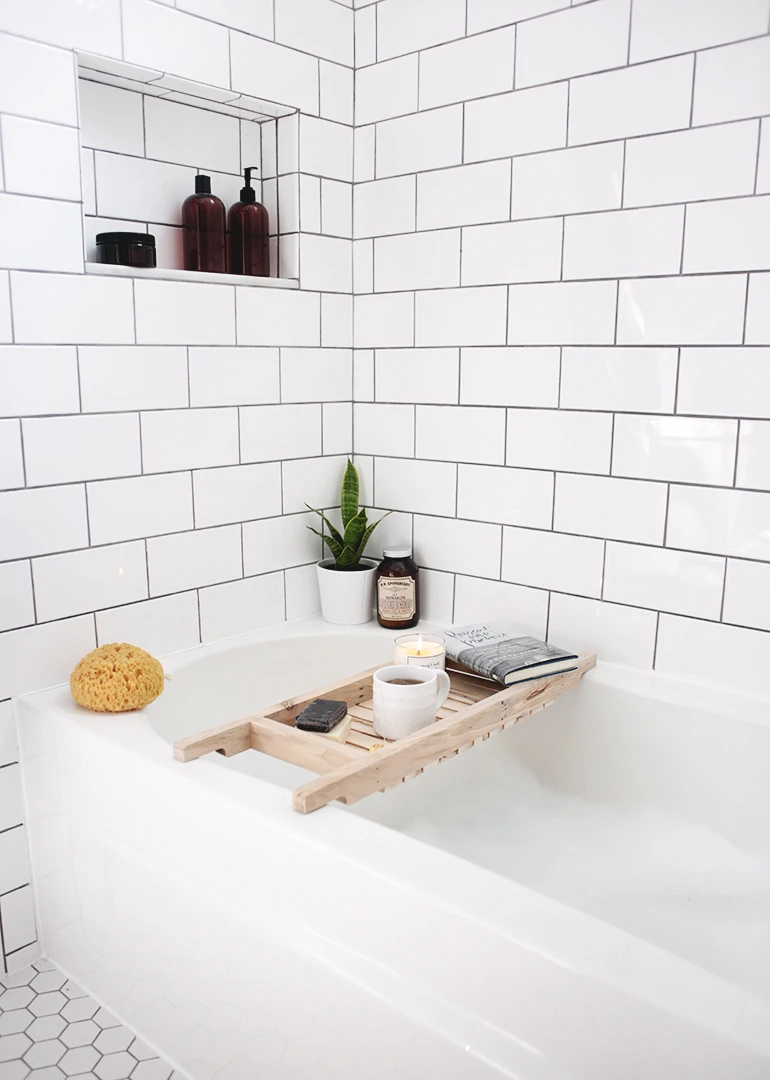
The brilliance of this specific slatted build is how efficiently it uses up thin scrap wood. Instead of buying a massive, expensive solid slab, you can build a simple frame and attach thin strips of water-resistant wood (like cedar or maple) across the top.
By batch-cutting your frame pieces and slats on a miter saw, you can quickly assemble several of these elegant trays with a simple brad nailer. Seal them heavily with a water-resistant finish, and you have a premium, boutique-style product ready to sell.
Build Kit
- The Wood: Cedar, Cypress, or Maple (perfect for ripping into thin slats)
- Hardware: Water-resistant wood glue and 1-inch brad nails
- Tools: Miter saw, a table saw (for ripping strips), and a brad nailer
- Finishing: A highly water-resistant sealant like spar urethane or outdoor wax
- Detailing: Use small wooden spacers to leave consistent 1/4″ gaps between slats for a high-end spa look
- Find full DIY instructions for DIY bathtub caddy by The Merrythought here.
4. Rustic Cedar Planter Boxes (Made from fence pickets)
Planter boxes are a staple of front porch decor, but buying solid wood planters at a garden center can easily cost a small fortune. Buyers absolutely love the rustic, farmhouse charm of raw cedar, making these boxes a massive hit at spring craft fairs and on Facebook Marketplace.
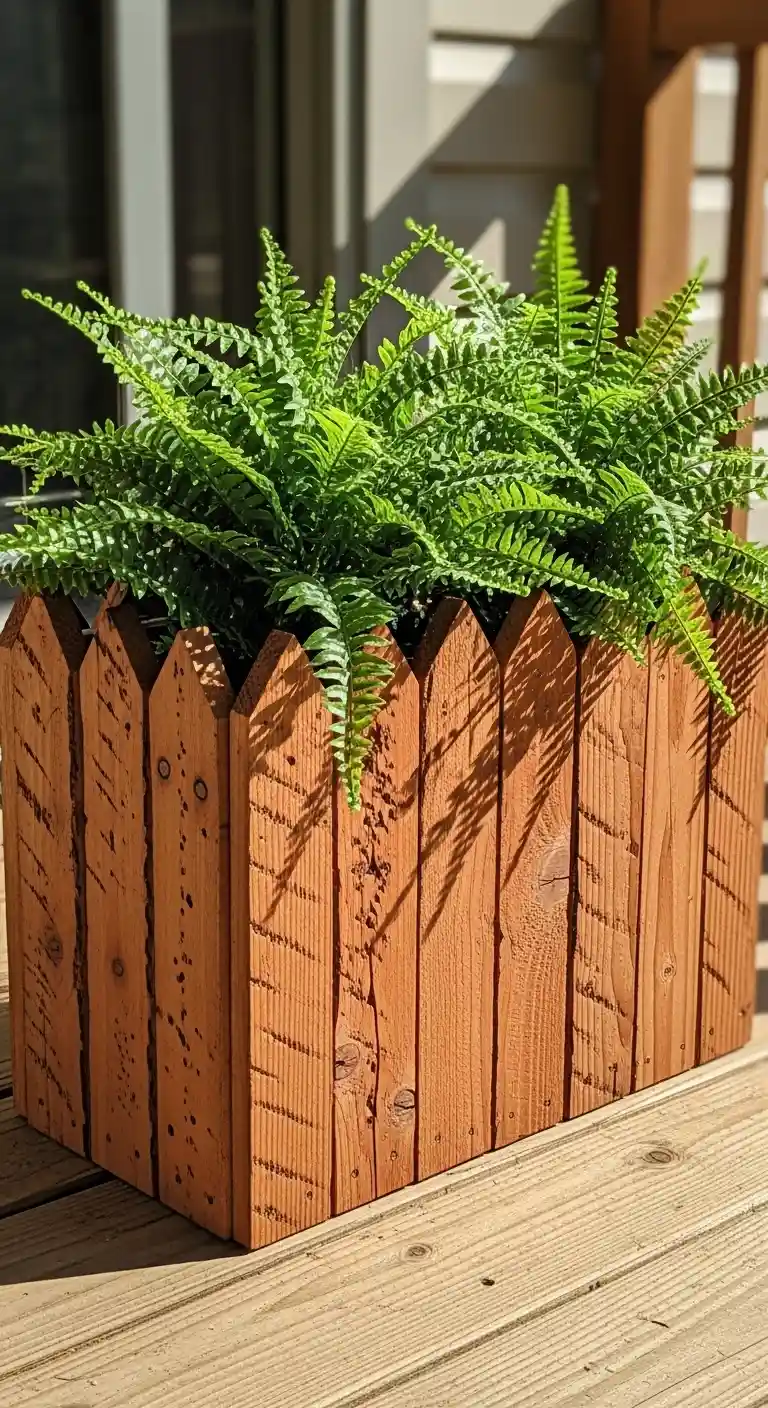
Because cedar naturally resists rot and insects, these handmade planters are practical, durable, and exactly what homeowners are eagerly searching for to house their spring flowers or summer herb gardens.
The ultimate secret to this build is skipping the expensive hardwood aisle and heading straight for the fencing section.
You can build a stunning, high-quality planter box using just a couple of standard cedar fence pickets, which cost around three dollars each.
By setting a stop-block on your miter saw, you can chop down a stack of pickets and assemble several boxes in a single hour using exterior wood glue and a brad nailer.
(Note: Although the project tutorial linked below by Ana White looks a little different because she trims the tops, the DIY plans will prepare you to create something like the picture above, or maybe yours will look completely different, which is fine too!)
Here are the essential tools you will need to accomplish the project.
Build Kit
- The Wood: 5/8-inch rough-sawn cedar fence pickets (5.5 inches wide)
- Hardware: Exterior-grade water-resistant wood glue and 1-1/4″ galvanized brad nails
- Tools: Miter saw (or circular saw) and a brad nailer
- Finishing: Leave it raw to weather naturally, or seal it with an exterior UV clear coat
- Detailing: Don’t forget to drill a few 1/2-inch drainage holes in the bottom panel to keep the plants healthy
- Find full DIY instructions to create these DIY Planter Boxes by Ana here.
5. Behind-the-Sofa Charging Tables
When homeowners upgrade to a large sectional sofa, they often lose the space on the sides for traditional end tables, leaving them nowhere to set a drink, store remotes, or plug in a phone charger.
Custom-built behind-the-sofa tables solve this exact dilemma, and buyers are willing to pay a premium for them.
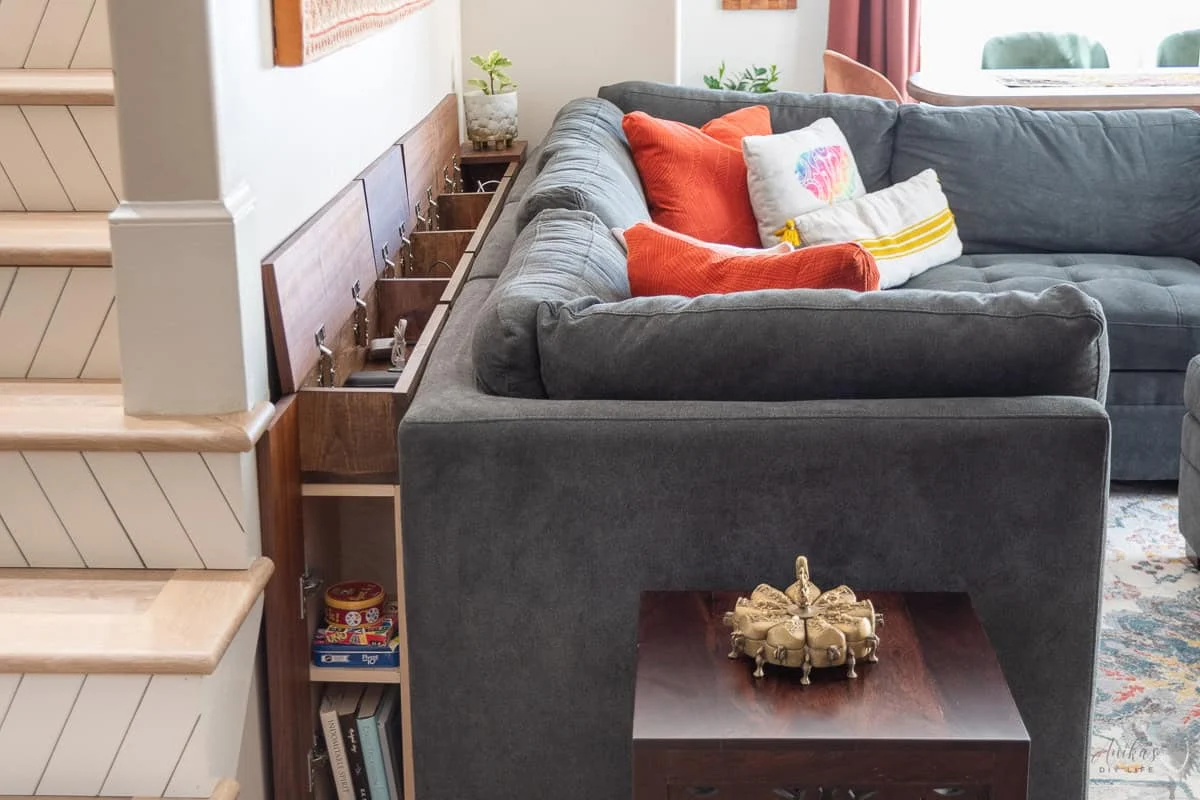
Because every living room is different, big-box furniture stores simply cannot sell a one-size-fits-all solution for this.
By offering custom-measured tables that slide perfectly behind a buyer’s specific couch, you are providing a highly sought-after, bespoke piece of functional furniture.
While you can build a basic “ledge” style table, adding hidden storage and power takes your profit margins to the next level.
Using standard 1×6 boards for the top and affordable plywood to create hidden drop-down cabinets for remotes and clutter, you can create a high-end product.
The ultimate selling feature is using a jigsaw to cut out a slot in the top board and dropping in a recessed power strip with USB ports. Once you build a hidden support frame out of cheap 2x4s and stain the visible top, you have a high-value custom charging hub that looks like a luxury furniture upgrade.
Build Kit
- The Wood: 1×6 boards (for the top length), 2x4s (for the hidden support legs), and plywood (for the storage cabinets)
- The Tech: A recessed, flush-mount furniture power strip
- Hardware: Frameless cabinet hinges, 1-1/4″ brad nails, and wood screws
- Tools: Miter saw (or circular saw), a drill, a brad nailer, and a jigsaw (for the outlet cutout)
- Finishing: Wood stain (Walnut is highly popular), wood glue, and a durable polyurethane top coat
6. Wooden Device Charging Stations (Cord Organizers)
If there is one thing every modern household hates, it is the dreaded “rat’s nest” of charging cords taking over the kitchen counter. Families are constantly juggling phones, tablets, and smartwatches, and leaving them piled up next to a plastic power strip looks terrible.
A custom wooden charging station box solves this massive headache by hiding the power strip and all the excess wire clutter completely out of sight.
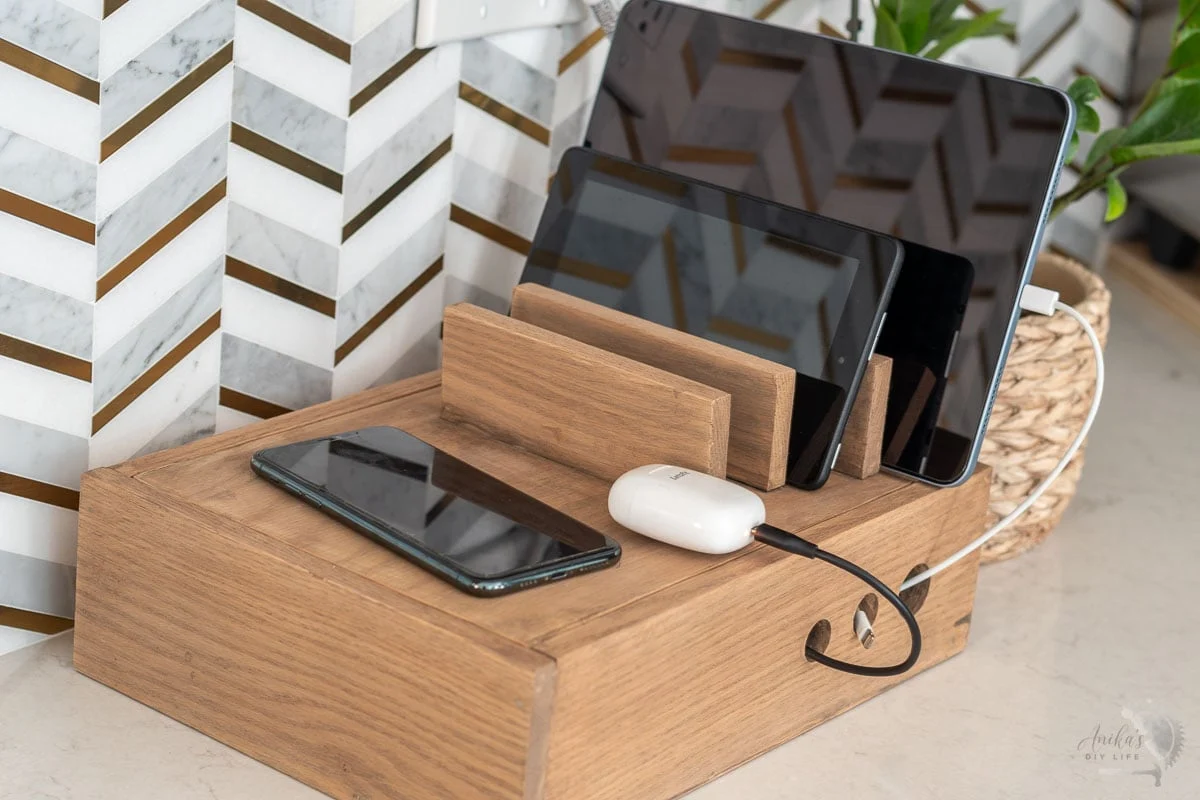
Buyers will absolutely jump at the chance to buy a sleek, handmade wooden box that turns their chaotic charging corner into a neat, organized tech hub.
The beauty of this project is that it is essentially just a small, open-backed wooden box with a lid, making it incredibly cheap and fast to batch-produce out of 1/2-inch hobby boards or scrap plywood.
You use a Forstner bit to drill clean holes for the charging cables to pop through, and attach simple 1×2 strips on top to hold the devices upright.
If you want to charge a massive premium, you can even use a palm router to hollow out a hidden spot under the lid for a drop-in wireless charger. Sand it down, apply a beautiful stain, and you have a high-margin product that solves a daily annoyance for your buyers.
Build Kit
- The Wood: 1/2-inch hardwood hobby boards (like Oak) or scrap plywood
- The Tech: A standard multi-port USB power strip (and an optional wireless charging pad)
- Hardware: Wood glue (or hot glue for quick holds) and brad nails
- Tools: Miter or circular saw, brad nailer, drill with a Forstner bit (for clean cord holes), and an optional palm router
- Finishing: Wood stain, durable topcoat, and edge banding if using plywood
- Find full DIY instructions here: Anika’s DIY Life – DIY Device Charging Station
7. Farmhouse Blanket Ladders
Farmhouse blanket ladders are an absolute staple in the home decor market. Buyers love them because they solve a very common problem, where to store bulky throw blankets, while simultaneously acting as a beautiful, vertical display piece that takes up almost zero floor space.
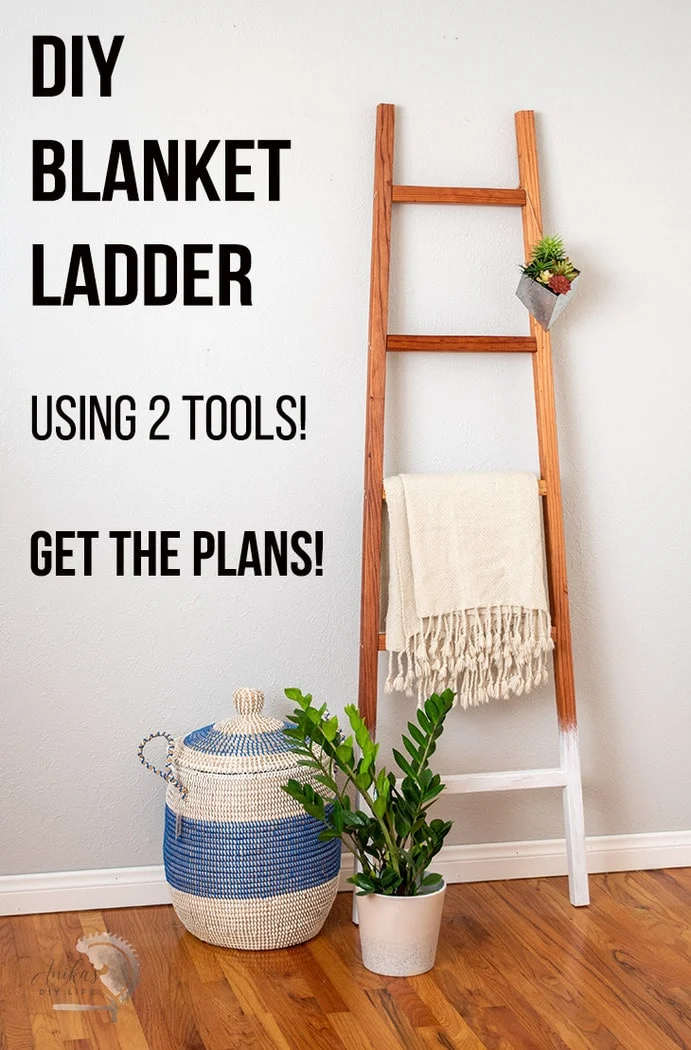
Whether stained a rich dark walnut or left naturally warm for a modern aesthetic, these ladders instantly elevate a living room. People happily pay upwards of $60 to $80 for a handmade wooden ladder, making it an incredibly lucrative item to sell locally.
The best part about this project is that you can build one in under an hour using only two power tools. You simply need a few long boards (like affordable redwood or pine) for the side rails and rungs.
By cutting a slight 3-degree angle on the rungs with a miter saw, you ensure the blankets sit perfectly flat when the ladder leans against the wall.
Assemble everything quickly with wood glue and a few countersunk screws, patch the holes with wood putty, and you have a stunning piece of premium decor ready for market.
Build Kit
- The Wood: Redwood or Pine boards (typically 1x3s for the sides, and 1x2s for the rungs)
- Hardware: 2-1/2″ wood screws and wood glue
- Tools: Miter saw, a drill/driver, and a countersink drill bit
- Finishing: Wood putty (to hide the screw holes) and a penetrating finishing oil or wood stain
- Detailing: Add a second screw to each side of the rungs to completely prevent them from twisting or pivoting over time
- Find full DIY instructions over at Anika’s DIY Life here.
8. Modern Magnetic Knife Strips
Magnetic knife strips are a premium upgrade for any home chef, offering a safer and more hygienic alternative to bulky countertop knife blocks.
Buyers are willing to pay a high price for the “magic” of a seamless wooden bar that holds heavy steel knives without any visible metal or hardware.
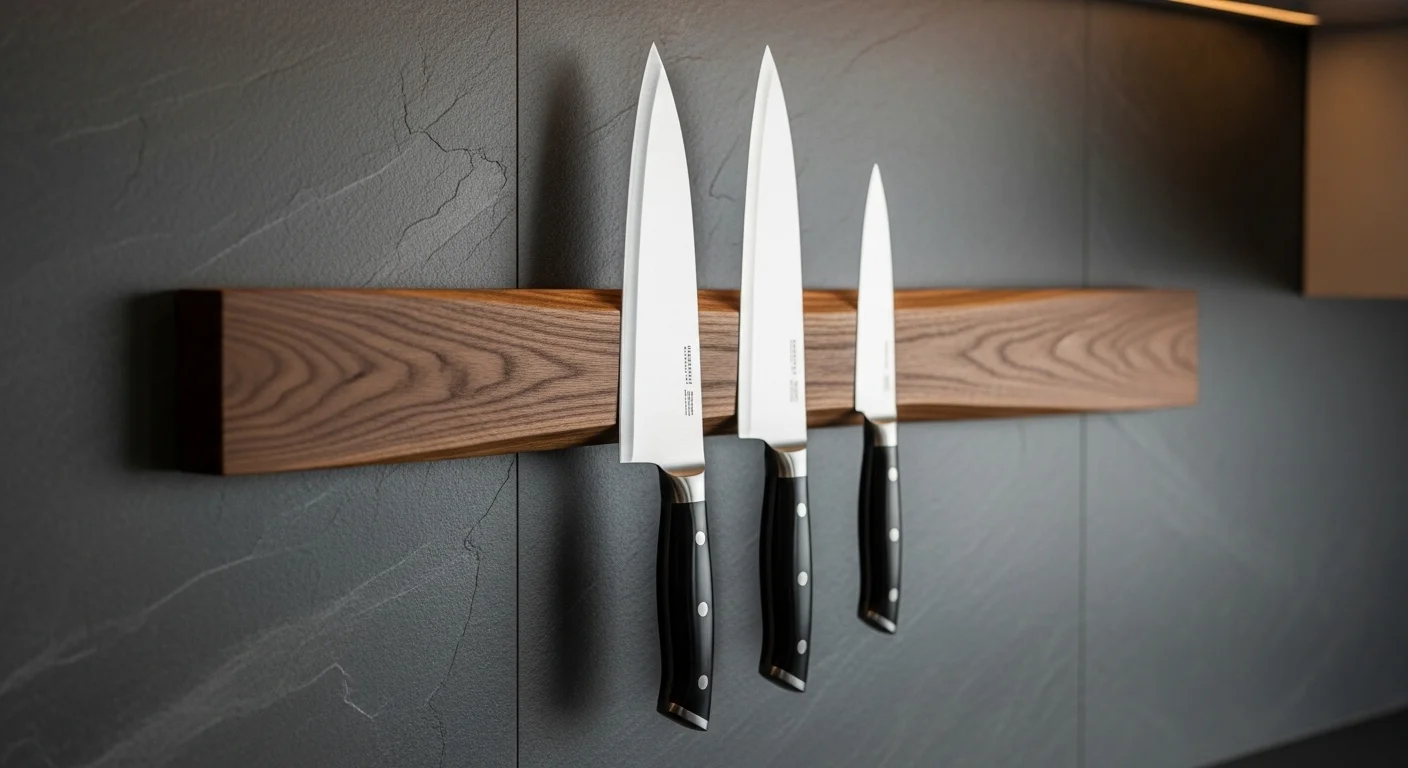
Because these are highly functional and take up zero counter space, they are incredibly popular on Etsy and at upscale local craft fairs, especially when made from exotic or rich hardwoods like Walnut or Cherry.
To batch-produce these efficiently, use a router with a straight bit to carve a long, deep channel in the back of a 3/4-inch thick board, leaving only 1/16 to 1/8 of an inch of wood on the front face.
Simply line the channel with powerful neodymium “rare earth” magnets, secure them with silicone or epoxy, and glue a thin matching wood veneer over the back to hide the work.
This creates a professional, seamless product that can be churned out in sets of ten or more in a single afternoon.
Build Kit
- The Wood: 3/4-inch thick hardwood (Walnut, Cherry, or Maple work best)
- Magnets: High-strength Neodymium (Rare Earth) disc or block magnets (N42 or N52 grade)
- Hardware: Silicone adhesive or two-part epoxy (to prevent magnets from shifting)
- Tools: Table saw, router (with a 1/2″ or 3/4″ bit), and a drill for mounting holes
- Finishing: Food-safe mineral oil or beeswax to protect the wood from kitchen moisture
9. Entryway Key and Mail Racks
Entryway organizers are a “bread and butter” product for woodworking side hustles. Buyers are constantly looking for stylish ways to corral daily clutter like keys, sunglasses, and mail. By offering a clean, simple wood shelf with functional pegs, you create a high-utility piece that takes up minimal wall space.
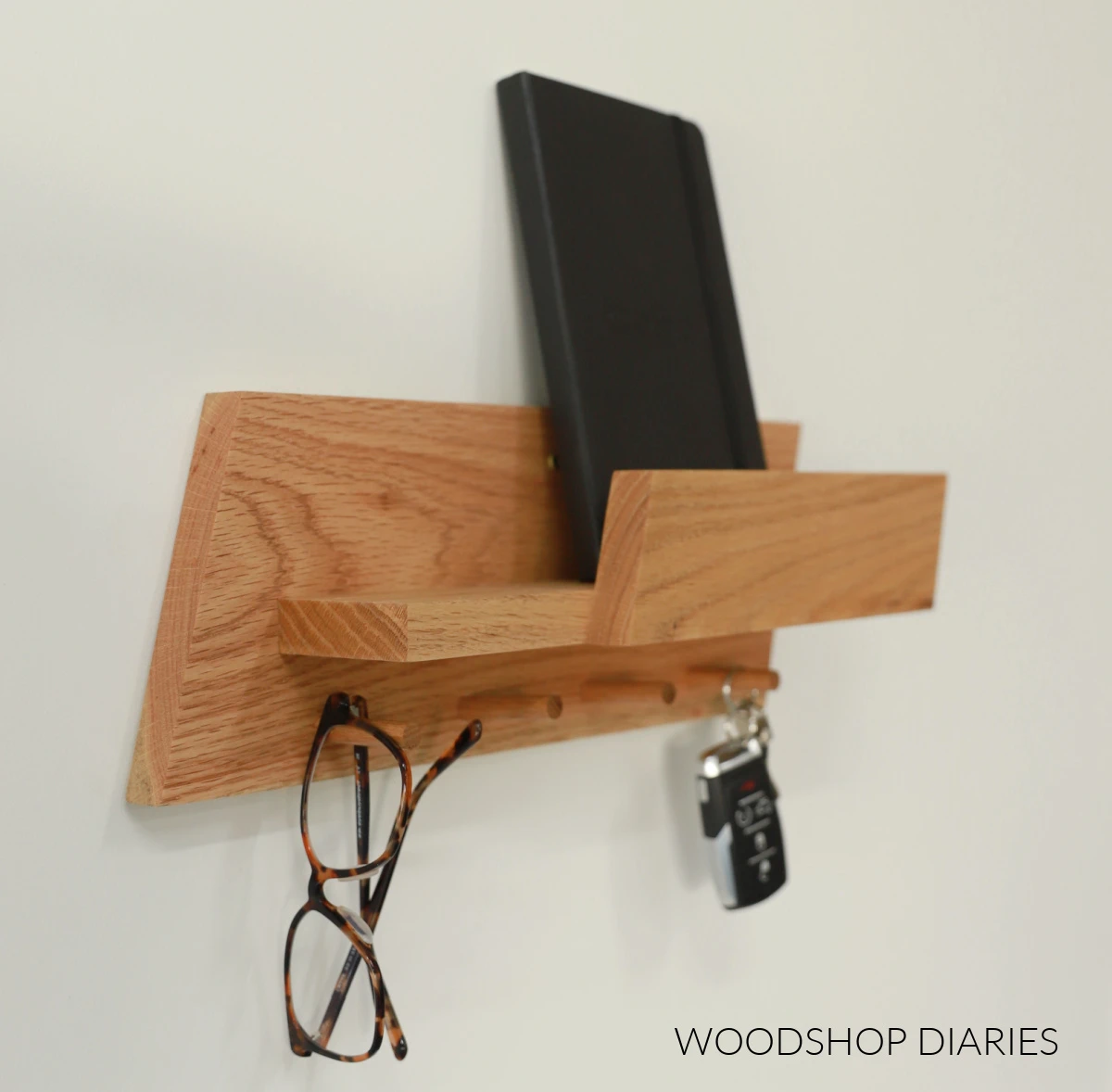
The best part of this specific design is the profit margin: because it is built entirely out of small offcuts (like a 15-inch piece of 1×6 and some 1x3s), your material cost is essentially zero, meaning everything you make is pure profit.
To give this scrap-wood build a boutique aesthetic, skip the expensive metal hardware. Instead, use a 3/8-inch Forstner bit to drill shallow holes and glue in simple wooden dowel pegs.
Cutting the edges of the boards at a 15-degree angle on your miter saw adds a striking, modern geometric vibe that buyers love.
Finally, instead of using bulky external brackets or screwing right through the front, use your keyhole router bit to cut two hidden slots in the back.
This allows the rack to sit perfectly flush against the buyer’s wall for a professional, high-end finish.
Build Kit
- The Wood: Scrap 1×6 board (for the back) and 1×3 boards (for the shelf)
- Hardware: A 3/8-inch wooden dowel rod (cut into 2-inch pegs), wood glue, and 1-1/4″ brad nails
- Tools: Miter saw, brad nailer, a drill with a 3/8″ Forstner bit, and a router with a keyhole bit
- Finishing: Sand smooth and apply a modern stain like Weathered Oak
- Detailing: Miter the outside edges at a 15-degree angle to elevate it from a basic box to a modern design piece
10. Floating Live-Edge Shelves
Buyers are obsessed with bringing natural textures into their modern homes. Live-edge wood offers a stunning, one-of-a-kind organic focal point that manufactured MDF shelves simply cannot replicate.
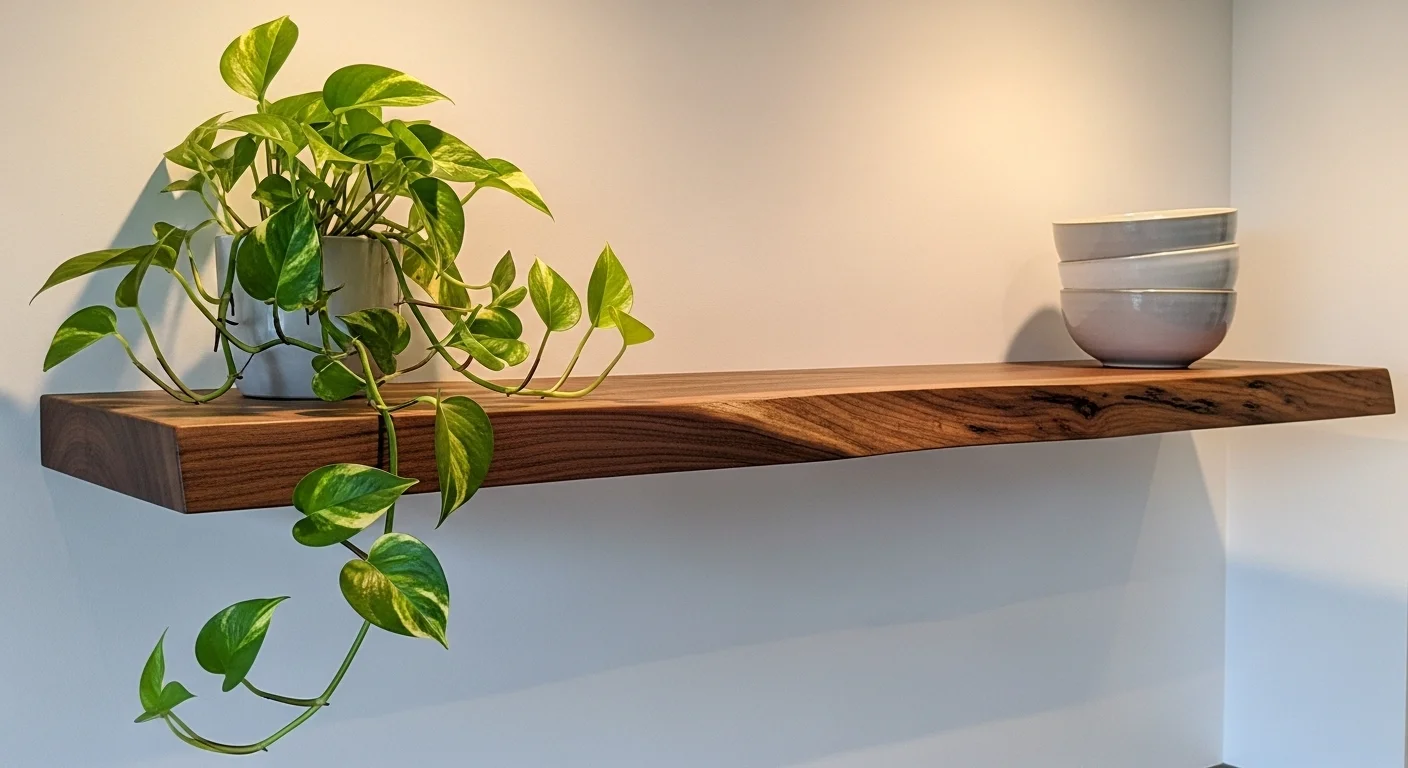
These pieces command a massive premium on the home decor market, especially when crafted from highly figured slabs of spalted maple, walnut, or olive wood. Because the natural beauty of the raw slab does all the aesthetic heavy lifting, buyers will happily pay well over $100 for a single well-finished shelf.
The secret to maximizing profit and selling these at a boutique price is the mounting method. Don’t cheapen a beautiful slab with bulky, visible iron brackets.
Instead, use standard hidden floating shelf brackets (steel posts that mount to the wall and slide into the wood). You don’t even need a drill press for this; simply wrap a piece of painter’s tape around a standard drill bit to act as a depth stop, and use a cordless drill to bore holes directly into the back edge of the slab.
Sand the live edge smooth, apply a clear water-based topcoat to keep the wood from yellowing, and you have a premium piece of floating decor.
Build Kit
- The Wood: A live-edge hardwood slab that is at least 1-1/2 inches thick
- Hardware: Hidden floating shelf hardware (bracket posts) and heavy-duty wall anchors
- Tools: Cordless drill, a drill bit (slightly larger than your bracket posts), a level, and an orbital or corner sander
- Finishing: Dewaxed shellac and a clear, water-based top coat (to protect the wood without altering its natural color)
- Detailing: Use a strip of painter’s tape on the back of the shelf to mark the exact hole spacing, then transfer that tape directly to the buyer’s wall for perfectly level installation.
11. Personalized Wine Bottle Caddies
Personalized wine caddies (also known as over-the-bottle wine glass holders) are absolute goldmines during the wedding, anniversary, and holiday gifting seasons.
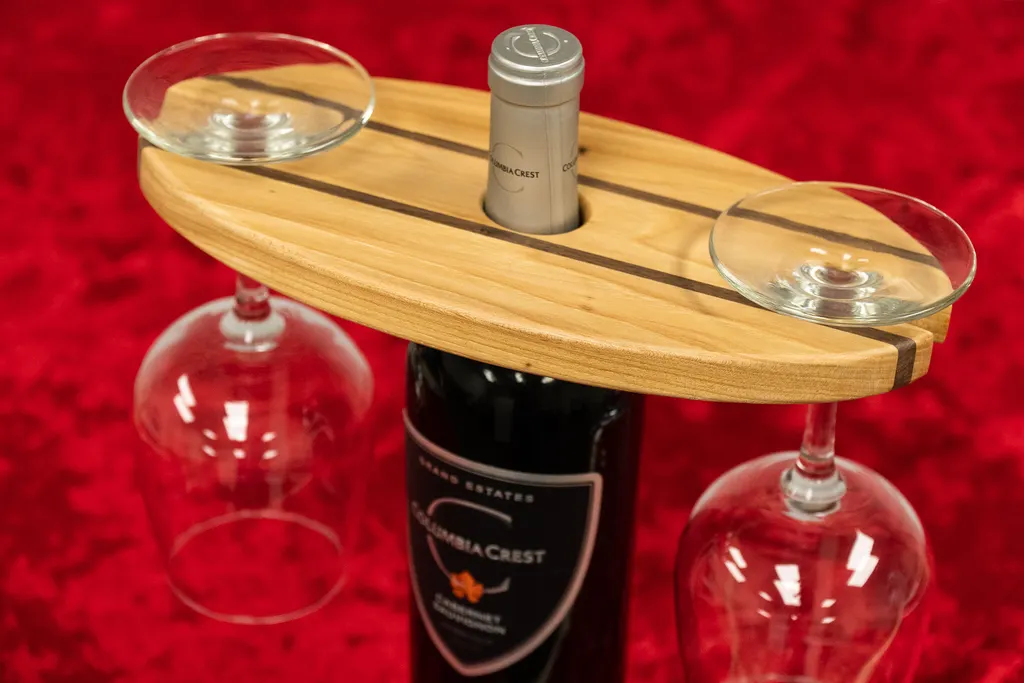
Buyers love them because they pair perfectly with a nice bottle of wine to create a complete, thoughtful, and high-end gift package. When you add a customized touch, like a family name, a wedding date, or a simple monogram, you instantly take a small piece of scrap wood and turn it into a $25 boutique item.
The brilliance of this project is the sheer speed of production. You only need a single piece of hardwood, like oak or walnut. By setting up a simple workflow, you drill three holes: a 1-1/4 inch center hole for the wine bottle neck, and two 5/8-inch holes on the ends for the glass stems.
A quick pass with a bandsaw or jigsaw creates the elegant outer shape and the entry slots for the glasses. Because they require zero hardware and no complex joinery, you can easily batch out fifty of these in a single afternoon, sand them smooth, and finish them with a quick wipe-on polyurethane.
Build Kit
- Build Kit
- The Wood: A small piece of 3/4-inch hardwood (Walnut, Cherry, or Oak look best and sell highest)
- Hardware: None!
- Tools: A drill with a 1-1/4″ Forstner bit (for the bottle neck) and a 5/8″ bit (for the glasses), a bandsaw or jigsaw (to cut the shape and stem slots), and an orbital sander
- Finishing: Wipe-on satin polyurethane to protect the wood against wine drips
- Detailing: A wood-burning pen, a simple stencil, or a desktop laser engraver to add the personalized monograms that buyers pay a premium for
12. Coffee Bar Capsule Organizers (Custom Drawer Inserts)
When it comes to coffee bars, buyers absolutely hate bulky, cheap plastic pod carousels taking up their valuable counter space.
However, tossing K-Cups loosely into a drawer creates a chaotic mess. Offering a “custom-fit” wooden drawer insert solves this problem elegantly, giving a standard kitchen drawer the look and feel of high-end, custom cabinetry.
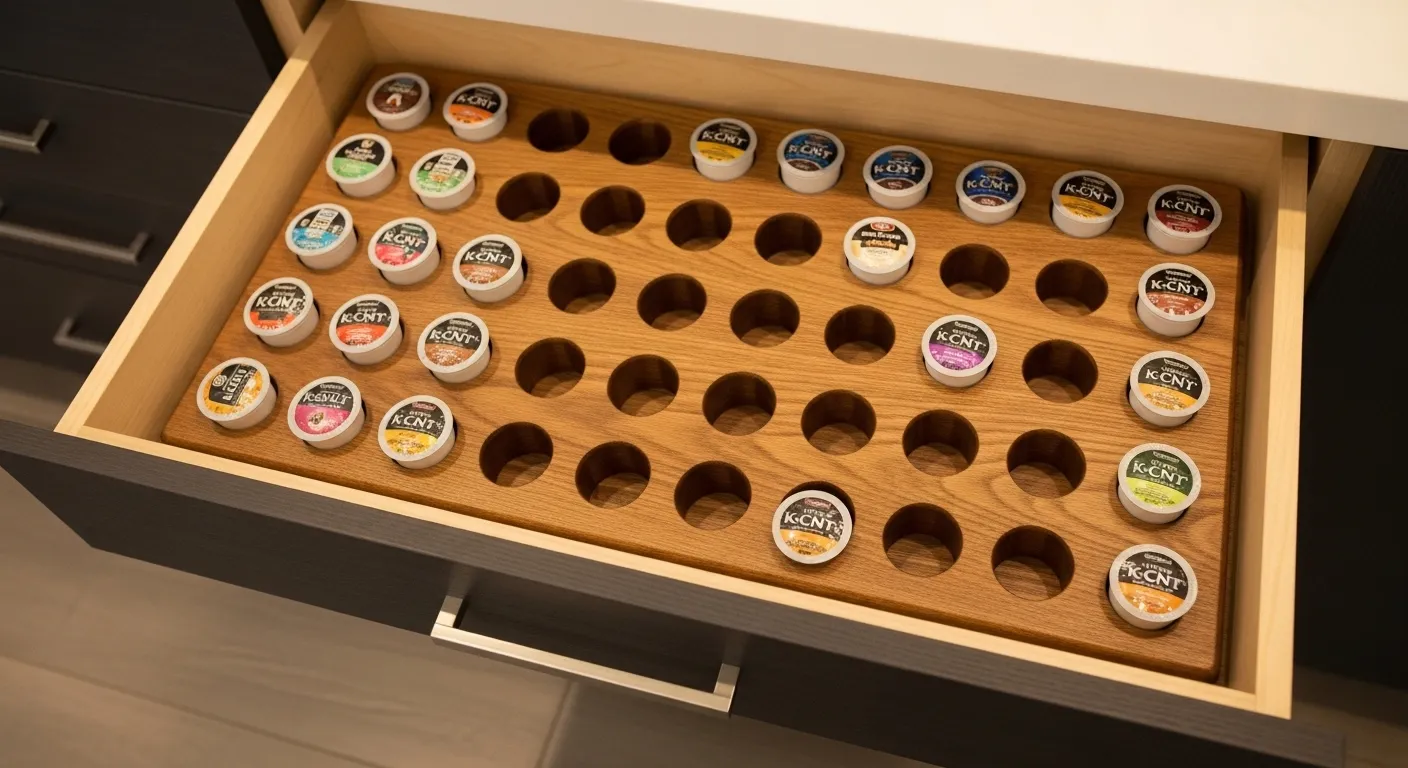
Because you can cut these to match a buyer’s exact drawer dimensions, you can market them as a bespoke organizational upgrade and charge a massive premium over big-box store alternatives.
The production process for this is incredibly fast, especially if you set up a simple jig on a drill press. You simply cut a piece of 1/2-inch plywood to fit the drawer (leaving an 1/8-inch clearance so it drops in easily).
Next, mark out a grid and use a 1-3/4″ Forstner bit to drill perfectly sized holes for the coffee pods. To lift the board up so the pods sit flush, attach 1-1/2″ wide plywood strips underneath the edges like a picture frame.
Sand it, paint or stain it to match the buyer’s kitchen, and you have a highly profitable organizational product.
Build Kit
- The Build Kit
- The Wood: 1/2-inch plywood (one main sheet for the top, and 1-1/2″ strips for the base frame)
- Hardware: Wood glue and 1-1/4″ finish nails
- Tools: Table saw (or circular saw), a drill or drill press, a 1-3/4″ Forstner bit, and a brad nailer
- Finishing: Paint or stain, plus a water-resistant top coat to protect against coffee spills
- Detailing: To prevent the plywood veneer from tearing out and looking sloppy, drill the Forstner bit halfway through, then flip the board over to finish the hole from the other side.
13. Desktop Monitor Stands
The “work from home” boom created a massive market for high-end desk accessories. Tech enthusiasts will happily spend thousands of dollars on their monitors, keyboards, and mice, which means they refuse to put cheap plastic risers on their desks.
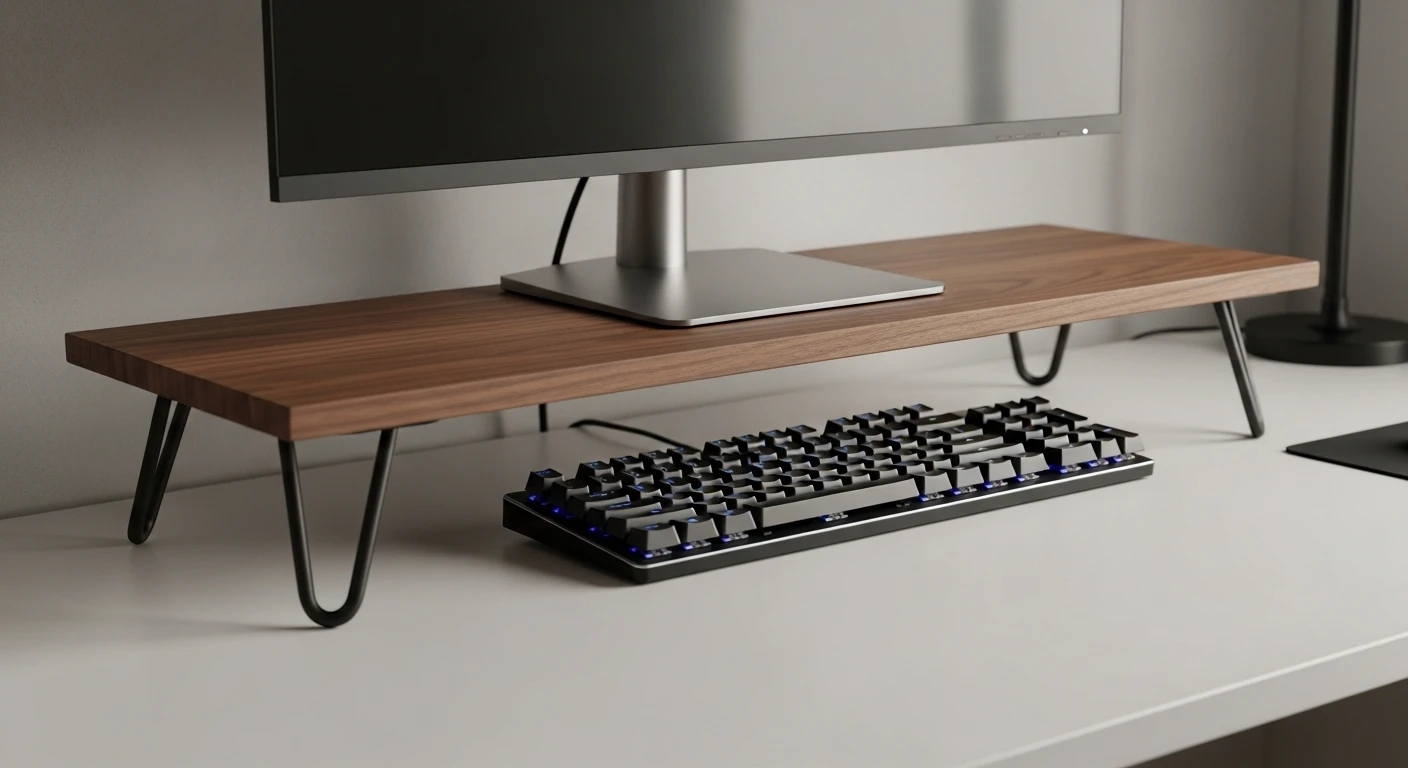
Boutique brands sell solid hardwood monitor stands for well over $150, but you can build the exact same luxury product for a fraction of the cost. Because these items appeal to buyers with disposable income looking to emulate a specific, minimalist aesthetic, the profit margins are staggering.
The ultimate production secret for this build is that it requires absolutely zero woodworking joinery. The wood does all the heavy lifting.
You simply take a gorgeous, premium piece of hardwood (like American Black Walnut), cut it to length, and sand it to a buttery-smooth finish.
Instead of fussing with wooden legs, you purchase bulk sets of 4-inch metal hairpin legs or modern cylindrical furniture brackets online.
Apply a rich oil finish to pop the grain, screw the legs into the bottom, and you instantly have a high-ticket item ready for market.
Build Kit
- The Wood: A 1×10 or 5/4×10 hardwood board (Walnut is the absolute best seller for this niche), cut to about 24 to 36 inches long
- Hardware: Four short metal furniture legs (like 4-inch hairpin legs) and small wood screws
- Tools: Miter saw (to cut to length), a drill (for pilot holes), and a random orbital sander
- Finishing: Danish oil or a premium hard-wax oil to give the wood a rich, matte, natural feel
- Detailing: Always drill pilot holes before attaching the legs, driving screws directly into dense hardwoods like walnut can easily crack your expensive board!
14. Carved Wooden Catch-All Trays
Catch-all trays (also known as valet trays) are the ultimate functional gift, especially in the booming EDC (Everyday Carry) market. Buyers love having a dedicated, aesthetic drop-zone on their nightstand or entryway table to empty their pockets at the end of the day.
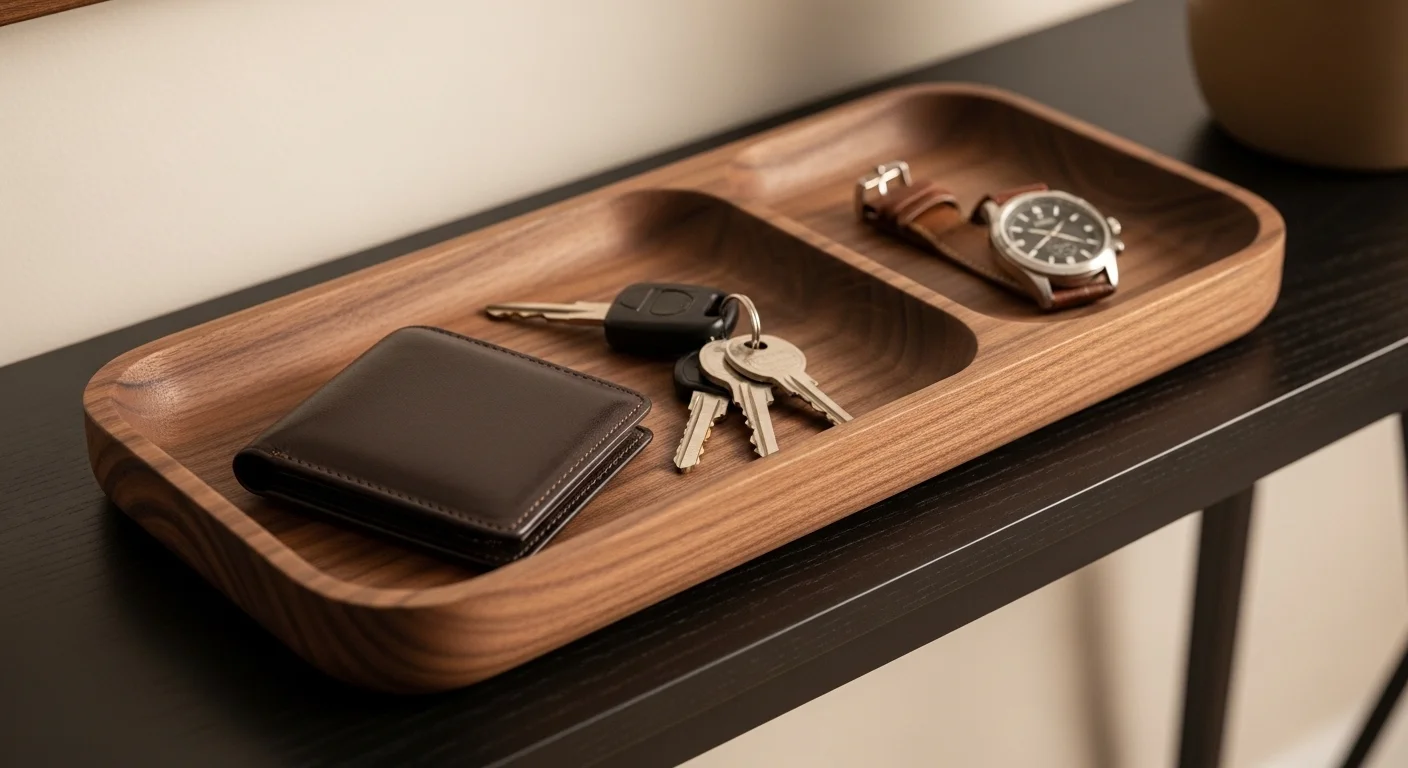
When carved from rich hardwoods like walnut or cherry, these simple trays feel incredibly premium and easily sell for $40 to $60 each, making them massive hits for groomsmen, Father’s Day, or holiday gifts.
The secret to batch-producing these without dropping thousands of dollars on a robotic CNC machine is to use a plunge router and a simple homemade MDF template.
Once you cut a template of the tray’s interior shape (like a rounded rectangle), you clamp it to a solid piece of hardwood. Using a specific “bowl and tray” router bit with a top-bearing, you simply trace the inside of your template to carve out a perfect, flat-bottomed recess in minutes.
Sand the carved basin smooth, apply a tactile hard-wax finish, and you have a boutique-quality product ready to sell.
Build Kit
- The Wood: 1-inch thick hardwood blanks (Walnut, Cherry, or Maple are ideal)
- Hardware: None!
- Tools: A plunge router, a Bowl and Tray Router Bit (with a top bearing), a piece of 1/2-inch MDF (to make your reusable template), and a palm sander
- Finishing: A premium hard-wax oil (like Odie’s Oil or Walrus Oil) to give the tray a silky, tactile feel that buyers love to touch
- Detailing: To charge a premium, offer to wood-burn or laser-engrave the buyer’s initials right into the center of the tray before applying the finish.
15. Vertical Welcome Porch Signs
Tall, vertical porch signs are the undisputed champions of the “low effort, high reward” woodworking world. These signs are a staple of “curb appeal” decor and sell consistently year-round, especially during the spring and fall decorating seasons when homeowners are looking to refresh their entryways.
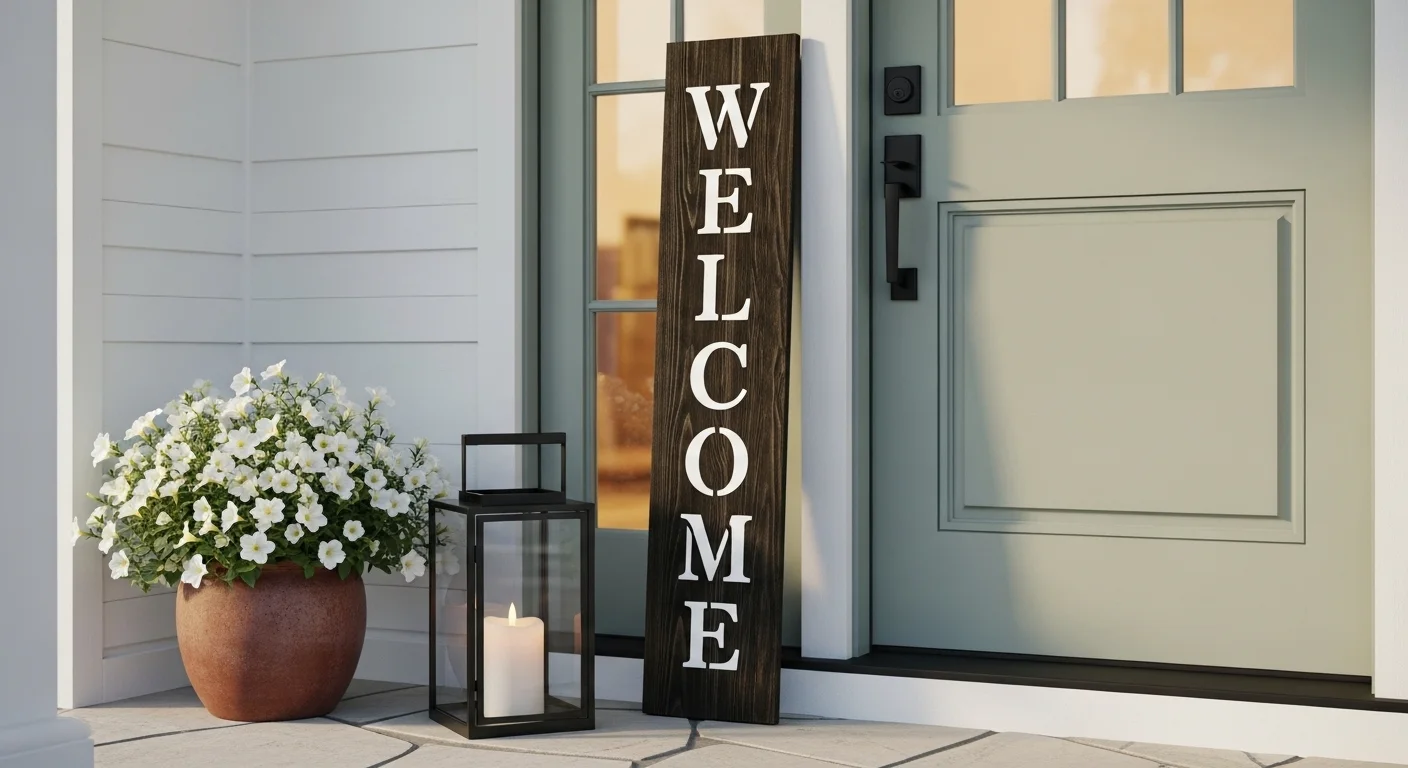
The production secret for these is efficiency and material choice. By using a single 1×8 cedar board, you can create a massive 4-foot sign for a very low material cost.
Cedar is naturally weather-resistant, which completely eliminates the tedious step of having to brush on and cure a clear outdoor polyurethane topcoat.
After a quick sanding and staining, you apply a vinyl stencil (cut on a Cricut or Silhouette) and use white outdoor spray paint to get that crisp, high-end “boutique” look.
Because these are “leaner” signs that don’t require complex hanging hardware, your assembly time is virtually zero, allowing you to turn a basic board into a $50 front-porch statement piece in under an hour.
Build Kit
- The Wood: One 1×8 Cedar board (cut to 4 feet long)
- Hardware: None (designed to lean against the wall)
- Tools: Miter saw, an orbital sander, and a vinyl cutting machine (like a Cricut) to make your stencils
- Finishing: Pre-stain wood conditioner, a dark wood stain, and white outdoor spray paint for the lettering
- Detailing: To prevent your spray paint from bleeding under the stencil, apply multiple very light coats rather than one heavy coat, and remove the vinyl stencil immediately while the paint is still drying.
Frequently Asked Questions (The Side-Hustle FAQ)
Choosing the right project is only half the battle. To actually turn your workshop into a profitable side hustle, you need to understand the “why” behind what sells and the “how” of running a lean operation.
Whether you’re worried about market saturation or struggling to put a price tag on your hard work, these are some of the most common questions that people ask when dealing with woodworking projects of the level we just discussed.
Why aren’t standard cutting boards on this list?
While complex end-grain cutting boards are a beautiful right of passage for woodworkers, they are notoriously difficult to sell at a profit. The market is incredibly saturated, and you are constantly competing with cheap, mass-produced versions from big-box stores. More importantly, the hours required for intricate glue-ups, planing, and endless sanding completely destroy your hourly wage and prevent efficient batching.
Where is the best place to sell small wood projects?
Your selling platform should match your product. For larger, heavier items, Facebook Marketplace is king because it targets local buyers and completely eliminates the nightmare of shipping. However, for the “smalls” on this list, like wall hooks, wine caddies, and catch-all trays, Etsy and local Craft Fairs are your best bet. These smaller items are perfect impulse buys, highly giftable, and incredibly cheap to ship nationwide.
How should I price my woodworking projects?
Do not just guess a number based on what “feels right” or what someone else is charging. Use a simple, realistic formula to ensure you are actually running a business, not just funding a hobby: Materials + Hourly Wage + Small Profit Margin.
Calculate exactly what the wood, hardware, and finish cost for a single item. Next, pay yourself a strict hourly wage for the time it took to build it. Finally, add a 15% to 20% markup to cover workshop overhead (like sandpaper, glue, and tool wear) and generate a pure profit.
Do I need expensive hardwoods to make money?
Absolutely not. In fact, using cheaper materials often yields the highest profit margins. Projects built using construction pine, raw cedar fence pickets, and scrap bin offcuts cost pennies in materials.
The secret to charging a premium price isn’t the wood species; it is the finish. A flawless sanding job, a trendy modern stain, and a high-quality topcoat will make a $3 piece of scrap wood look like a boutique luxury item.
The Batch-Builder’s Toolkit
When you transition from a weekend hobbyist to a profitable seller, time is literally money. You don’t need a warehouse full of massive, expensive machinery to succeed, but you do need gear that prioritizes efficiency. This section highlights the essential tools needed for production rather than just hobby building.
Here is the core toolkit that will help you cut, assemble, and finish your projects at lightning speed so you can maximize your hourly profit:
| Tool | Utility | Link |
| Miter Saw | The ultimate tool for repeatable cuts. By setting up a simple stop-block, you can quickly chop a stack of lumber into dozens of identical pieces in minutes without having to measure each one individually. | Check on Amazon |
| Random Orbital Sander | The secret to charging a premium price. It is absolutely essential for fast finishing, quickly smoothing out rough edges on cheaper materials so they look like high-end boutique items. | Check on Amazon |
| Brad Nailer | Crucial for quick assembly. It eliminates the need for messy overnight glue-ups and heavy clamps, allowing you to move items straight from the workbench to the finishing table. | Check on Amazon |
| Cordless Drill | The workhorse of any small shop. Perfect for drilling clean pilot holes to prevent dense hardwoods from splitting, driving hardware, and boring out precise holes for charging cords or wine glasses. | Check on Amazon |
| Jigsaw | A low-cost essential for cutting the flowing, organic shapes needed for high-margin items like modern charcuterie boards and valet trays without requiring a massive, expensive bandsaw. | Check on Amazon |
| Circular Saw | Essential for breaking down larger sheet goods. Projects like the custom K-Cup drawer inserts and bathtub caddies require ripping wider boards or plywood down to size, making this tool indispensable. | Check on Amazon |
| Wood Router (Palm or Plunge) | The key to achieving “carved” aesthetics without a CNC machine. A router allows you to hollow out catch-all trays and recess tech hardware, instantly elevating the perceived value of your items. | Check on Amazon |
Conclusion: Time to Turn Sawdust into Cash
Let’s go back to that computer table we talked about at the very beginning. Sure, it is a fantastic way to build your skills, but trying to price it high enough to cover your labor, and then figuring out how to actually ship it, is a logistical nightmare.
By now, it should be clear why leaving the massive furniture builds to the big-box stores is the smartest business decision you can make.
The 15 “smalls” we just covered are your gateway to making your hobby finally pay for itself. As we established earlier, you don’t need a masterclass in complex joinery to impress buyers.
You just need a stack of affordable materials (or a healthy scrap bin!), a good orbital sander, and a single afternoon to set up a mini production line.
Don’t overthink it and try to build all fifteen items at once. Pick just one or two projects that caught your eye, maybe those incredibly popular cedar planter boxes or a batch of minimalist wall hooks.
Head out to your workshop this weekend, batch out a set of five, take some bright, clean photos, and throw them up on Facebook Marketplace or Etsy to test the waters.
You already have the tools, and your garage is likely already full of scrap wood just waiting for a purpose. It is officially time to start making that sawdust pay rent.
If you do build any of the projects I mentioned, share it in the comments for the entire community to see what’s possible!